In the high-stakes realm of construction, time is money—and equipment choices can either empower or encumber your momentum. The stationary concrete pump, a keystone of large-scale pours, demands serious financial consideration. While many contractors instinctively lean toward ownership, short-term project realities call for a more tactical decision: lease or buy? This is not just about spreadsheets; it's about strategic foresight, operational agility, and capital stewardship. The truth is, the better financial move for short-duration work isn’t always obvious. It requires peeling back the layers—cost structure, asset utility, opportunity cost—and confronting the assumptions that dominate industry thinking.
Capital Efficiency and Cash Flow Dynamics
Buying: Asset Control, But at a Heavy Cost
Owning a stationary concrete pump might seem like a power move, and in many ways, it is. Full control over the asset, no mileage restrictions, no usage caps—what’s not to love? But ownership comes at a cost that extends far beyond the sticker price. A brand-new stationary pump often commands a six-figure investment. Even used units are rarely inexpensive. That’s capital that could otherwise fund labor, materials, or parallel project development.
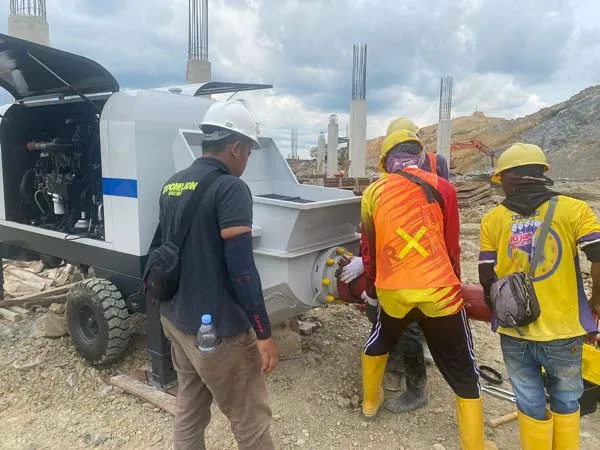
Moreover, depreciation hits hard and fast in the first year. A concrete trailer pump bought today may shed 20–30% of its value within 12 months. For a short-term project, this means you're locking funds into a rapidly depreciating asset that might sit idle afterward. And don’t forget about insurance premiums, maintenance schedules, and eventual resale uncertainties. Ownership doesn’t just cost you money—it restricts liquidity and limits your operational pivot points.
Leasing: Liquidity Without Long-Term Luggage
Leasing shifts the game entirely. You pay for only the time you need the machine, usually with predictable monthly installments. There’s no colossal upfront payout. Instead, you preserve liquidity, enabling you to funnel cash into profit-generating activities. For contractors managing overlapping jobs or exploring new markets, leasing offers the agility to adapt without asset drag.
Most lease agreements also include basic maintenance and technical support. This shields you from unexpected breakdown costs—a frequent curse of outright ownership. And when the project ends? Walk away. No resale hassle. No sunk costs. No existential questions about where to park a 25-ton piece of steel.
Operational Flexibility and Risk Exposure
Buying: Maximum Customization, Maximum Risk
When you own, you can modify the machine to match your fleet’s quirks and the jobsite's demands. You decide who operates it, how it’s transported, and how hard it’s pushed. But with that freedom comes risk. Breakdowns are your responsibility. Regulatory updates? Your burden. The moment the unit underperforms or fails mid-pour, your project timeline, and reputation, both take the hit.
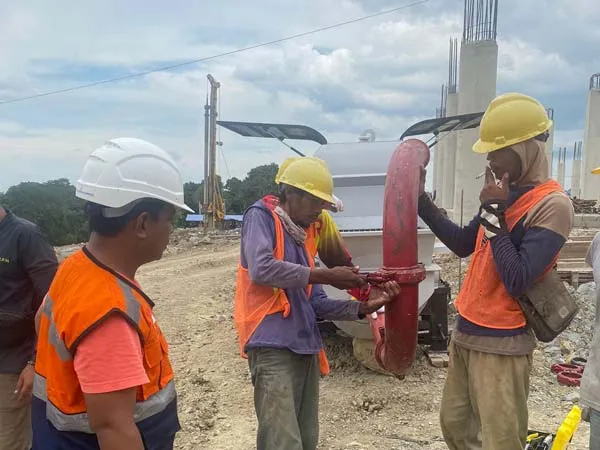
Short-term jobs are notorious for compressed timelines. Any equipment hiccup can cascade into penalties or client dissatisfaction. If the concrete pump for sale is your asset, every delay, repair, or misfire becomes your problem—and your invoice.
Leasing: Built-in Support and Reduced Exposure
Leasing partners often maintain newer fleets, ensuring you're using up-to-date, code-compliant equipment. With service agreements bundled in, any hiccup is typically resolved faster and at no extra cost. This hands-off maintenance model reduces administrative friction and frees your team to focus on execution.
Plus, if project specs shift midstream—a different pumping volume, unexpected terrain, regulatory inspection—you can renegotiate, upgrade, or switch units. That’s not just flexibility. That’s strategic insulation from project volatility.
Return on Investment in the Short-Term Context

請先 登入 以發表留言。